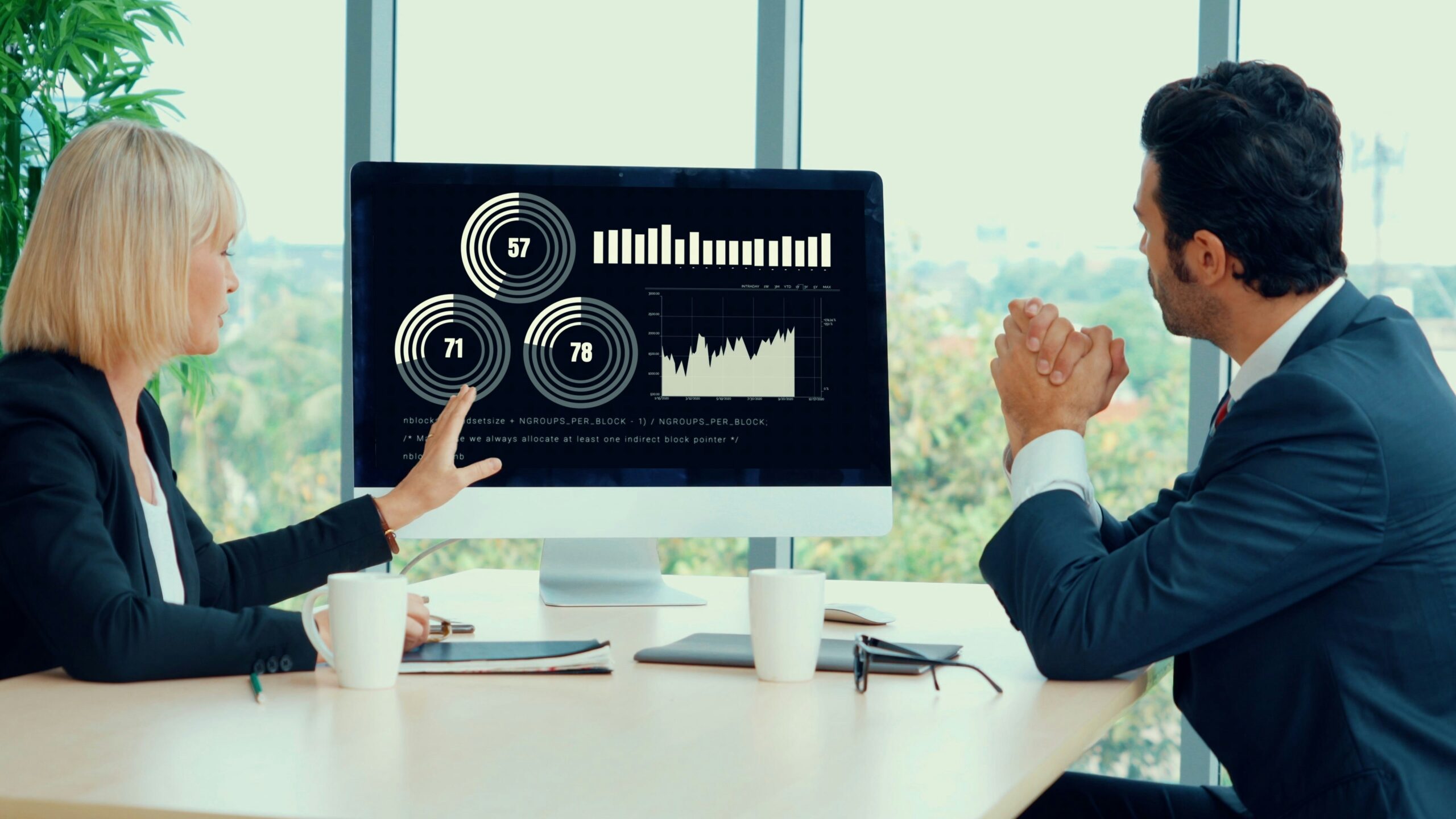
Modern executives are no longer struggling to find information. They are struggling to manage too much of it. Every system in a business now produces data at a constant pace. Reports update in real time, dashboards refresh every minute, and alerts never stop coming.
This shift has changed how leaders think and act. Executive decision-making is no longer about waiting for reports or relying on a few trusted numbers. It is now about filtering large volumes of information and finding clarity in a fast-moving environment.
The Shift from Scarcity to Excess Information
In the past, leaders often made decisions with limited information. They relied on monthly reports, team updates, and experience. While this created uncertainty, it also kept decision-making simple and focused.
Today, the situation is very different. Executives have access to more data than they can realistically process. Every department tracks performance in detail, and every action produces measurable results. Instead of searching for information, leaders now need to decide what to ignore.
This shift from scarcity to excess has changed leadership behavior. Decisions are no longer delayed because of missing data. They are often delayed because of too much data competing for attention.
Why Too Much Data Slows Down Leadership
It may seem strange, but more data often leads to slower decisions. When leaders are exposed to too many metrics, they spend more time analyzing and less time acting. This creates hesitation, even when the right direction is already visible.
Too much information also creates confusion. Different reports may show different outcomes for the same situation. Without clear guidance, executives may struggle to decide which data is most reliable. This slows down action and reduces confidence in decisions.
Over time, this constant overload can lead to decision fatigue. Leaders become mentally drained from processing endless streams of information. As a result, even simple decisions can start to feel complex.
The Growing Importance of Filtering Information
In the age of data overload, the ability to filter information has become a core leadership skill. Executives must quickly separate what matters from what does not. This is not about ignoring data, but about focusing only on what supports real business goals.
Filtering helps reduce noise. Instead of looking at every available metric, leaders focus on a smaller set of meaningful indicators. These usually reflect business performance, customer behavior, and financial health.
When filtering is done well, decision-making becomes clearer and faster. Leaders spend less time searching for meaning and more time taking action that drives results.
How Decision-Making Is Becoming More Structured
Modern executive decision-making is becoming more structured. Leaders are no longer relying only on instinct or experience. They are building systems that guide decision-making and information use.
These structures often begin with clear goals. Once goals are defined, it becomes easier to decide which data is relevant. This reduces unnecessary thinking and keeps decisions aligned with business priorities.
Structure also improves consistency. When decisions follow a clear process, they become more predictable. This helps teams stay aligned and reduces confusion across the organization.
The Role of Human Judgment in a Data-Rich World
Even with advanced analytics tools, human judgment remains essential. Data can show patterns, but it cannot fully explain meaning or context. Leaders still need to interpret information based on experience and understanding.
Human judgment helps fill gaps that data cannot. For example, customer emotions, team dynamics, and market sentiment are not always fully captured in reports. Leaders must consider these factors when making decisions.
The best results come when data and judgment work together. Data provides direction, while human thinking provides understanding.
Why Speed and Accuracy Must Work Together
In today’s business environment, speed matters more than ever. Markets change quickly, and opportunities do not last long. Leaders are expected to respond fast, but speed alone is not enough.
Accuracy is equally important. A quick decision based on a poor understanding can lead to bigger problems later. This is why executives must balance quick action with careful thinking.
Strong decision-making happens when both speed and accuracy are aligned. Leaders must know when to act quickly and when to pause to think more deeply.
How Technology Is Changing Decision Support
Technology has become a central part of executive decision-making. Tools such as analytics platforms and automated reporting systems help leaders process large volumes of information quickly.
These tools make it easier to see trends and identify performance changes. They also reduce the time needed to gather and organize data. This allows leaders to focus more on interpretation than collection.
However, technology does not replace decision-making. It supports it. Leaders still need to understand what the data means and how it connects to business strategy.
The Future of Leadership in a Data-Heavy Environment
The future of executive decision-making will depend on clarity, not volume. Leaders who can simplify information and focus on what truly matters will have a strong advantage. They will avoid being overwhelmed by constant streams of data.
Organizations will also move toward simpler decision-making systems. Instead of tracking everything, they will focus on a smaller number of meaningful indicators. This will help reduce confusion and improve alignment across teams.
In the end, successful leadership in the age of data overload will depend on one key skill: the ability to turn complexity into clarity and make confident decisions amid noise.